Uncategorized
Trained Horses for Sale Across the United States
Oct
Trained Horses for Sale Across the United States
Explore Trained Horses for Sale Across the United States. Learn how to compare training, temperament, breeds and sellers before choosing your riding horse
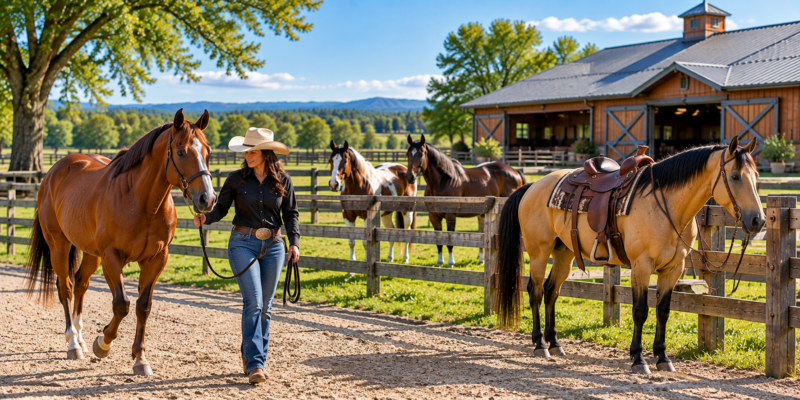
Finding a trained horse is about more than choosing a beautiful animal. It is about finding a riding partner that understands your cues, suits your experience, and feels comfortable doing the work you enjoy.
Whether you want a dependable trail horse, a Western riding partner, or a horse for everyday ranch activities, training matters.
Many buyers searching for trained horses for sale across the United States want a horse that already has useful experience under saddle. They may not have the time, facilities, or skills to start a young horse themselves.
However, the word trained can mean different things to different sellers.
One horse may know basic riding commands. Another may have years of trail experience. Meanwhile, a more advanced horse may understand specialized movements for a particular discipline.
Therefore, buyers need to look beyond the advertisement and understand exactly what each horse has learned.
This guide explains the different levels of horse training, popular riding breeds, questions to ask sellers, and how to evaluate a horse before making a purchase.
You will also learn how to compare horses across the country, prepare for transportation, and explore horses advertised by Krugger Acre Ranch.
Trained Horses for Sale Across the United States: What Does Trained Really Mean?
A trained horse is a horse that has learned specific handling or riding skills through consistent instruction and practice.
However, training is not a single qualification.
A horse may be trained for groundwork, recreational riding, ranch work, competition, driving, or another purpose.
Basic Ground Training
Ground training helps horses understand everyday handling.
A horse with established ground manners may be familiar with:
-
Wearing a halter
-
Leading beside a handler
-
Standing for grooming
-
Allowing its hooves to be handled
-
Tying when appropriate
-
Moving away from light pressure
-
Loading into a trailer
-
Standing for routine care
However, good ground manners do not automatically mean a horse is ready to ride.
Basic Saddle Training
A horse with basic saddle training has begun learning how to respond to a rider.
It may understand how to walk, stop, turn, and move forward.
Some horses may also trot and canter under saddle.
However, the quality and consistency of these skills can vary.
Established Riding Training
A horse with more established training has practiced riding skills in different situations.
For example, it may have experience in arenas, open fields, or on trails.
However, experience in one environment does not guarantee the same behaviour everywhere.
Specialized Training
Some horses receive training for particular disciplines.
These may include:
-
Western pleasure
-
Ranch riding
-
Reining
-
Cutting
-
Dressage
-
Show jumping
-
Barrel racing
-
Endurance riding
-
Trail riding
Buyers should ask what the horse can currently do, rather than relying on a broad description.
Why Buy a Trained Horse Instead of an Untrained Horse?
Buying a horse with suitable training can offer important advantages.
However, even a well-trained horse needs consistent handling, appropriate care, and continued practice.
1. Less Initial Training May Be Required
Starting a young or inexperienced horse takes time and skill.
A horse that already understands basic riding cues may allow a suitable buyer to focus on developing a partnership rather than teaching every skill from the beginning.
2. More Information About Riding Behaviour
A horse with an established riding history gives buyers more opportunities to evaluate its behaviour.
For example, you may be able to observe how it responds to different riders, changes in pace, and unfamiliar situations.
3. Better Alignment With Specific Goals
A trail rider may benefit from a horse with genuine trail experience.
Similarly, a ranch owner may prefer a horse familiar with cattle, gates, and outdoor work.
The goal is to choose relevant experience rather than simply the greatest amount of training.
4. Greater Confidence for Suitable Riders
A horse that responds consistently to familiar cues may help a rider feel more confident.
However, no horse is completely predictable or universally safe.
A qualified instructor should help less-experienced buyers evaluate suitability.
Popular Breeds of Trained Riding Horses in the USA
Many breeds can become capable riding horses with appropriate training.
However, temperament, individual experience, and health matter more than breed stereotypes.
American Quarter Horses
American Quarter Horse horses are commonly associated with Western riding, ranch work, and trail activities.
Their versatility makes them worth considering for many riding goals.
However, buyers should examine each horse’s actual training history.
The American Quarter Horse Association provides breed and registration information.
American Paint Horses
American Paint Horse horses are known for distinctive coat patterns.
They may participate in trail riding, ranch activities, and various Western disciplines.
However, coat colour does not determine training quality or temperament.
Appaloosa Horses
Appaloosa horses are recognized for their varied coat patterns.
They may be suitable for recreational riding and other activities, depending on their individual experience.
Morgan Horses
Morgan horse horses are used in riding, driving, and different competitive disciplines.
Their suitability depends on the individual horse’s training and behaviour.
Tennessee Walking Horses
Tennessee Walking Horse horses are known for their naturally occurring smooth gait.
Buyers interested in gaited riding horses may consider individuals with appropriate training.
However, ask about the horse’s actual gait, handling, and riding experience.
Crossbred Riding Horses
A horse does not need an expensive pedigree to become a suitable riding partner.
Crossbred horses may offer useful training and experience.
For many recreational buyers, the individual horse’s temperament and abilities are the deciding factors.
Trained Horses for Beginners: What Should You Look For?
A beginner-friendly horse should have suitable experience, manageable behaviour, and training that matches the rider’s ability.
However, no horse can be guaranteed completely safe.
Look for Established Experience
Beginners generally benefit from horses that already understand basic riding commands.
Ask whether the horse has experience with novice riders.
Also, find out how it responds when a rider makes mistakes.
Evaluate Temperament
A suitable horse should be assessed in everyday situations.
For example, observe how it behaves while being caught, groomed, saddled, and ridden.
A horse may appear calm in familiar surroundings but react differently in a new environment.
Consider Age and Maturity
A mature horse may have more established experience than a young horse.
However, age alone does not guarantee suitability.
Some older horses require special management, while some younger horses have good training.
Involve a Riding Instructor
A qualified instructor can help determine whether the horse matches your current skills.
This is particularly important for first-time buyers.
Trained Trail Horses for Sale in the United States
Trail horses are popular with recreational riders who enjoy exploring outdoor environments.
However, successful trail riding requires more than basic arena training.
What Makes a Good Trail Horse?
A suitable trail horse should have experience relevant to the terrain and situations you expect to encounter.
Ask whether the horse has been exposed to:
-
Uneven trails
-
Water crossings
-
Bridges
-
Wildlife
-
Traffic
-
Other horses
-
Riding alone
-
Group riding
-
Changes in terrain
However, previous exposure does not guarantee future behaviour.
Ask About Riding Alone
Some horses behave differently when separated from other horses.
Therefore, ask whether the horse has experience leaving the barn or riding group independently.
Request Current Trail Videos
Videos can provide useful information.
However, ask for recent, continuous footage rather than relying only on short edited clips.
Whenever possible, arrange an independent evaluation.
Trained Ranch Horses and Western Riding Horses
Ranch horses often perform practical tasks that require responsiveness and experience.
However, not every Western-trained horse has actual ranch experience.
Ranch Riding Skills
Depending on its background, a ranch horse may have experience with:
-
Opening and closing gates
-
Working around cattle
-
Riding in open spaces
-
Changing direction
-
Backing
-
Moving away from leg pressure
-
Crossing varied terrain
Ask the seller which tasks the horse has performed regularly.
Western Pleasure Horses
Western pleasure training focuses on particular riding expectations and presentation.
However, a Western pleasure horse is not automatically suitable for cattle work or rugged trails.
Performance Horses
Some trained horses have experience in competitive disciplines.
For example, a reining horse may know specialized manoeuvres.
However, competition training does not necessarily make a horse suitable for beginners.
Choose a horse whose skills match your intended use.
How to Evaluate a Trained Horse Before Buying
The best way to assess training is to observe the horse performing relevant tasks.
A seller’s description is a starting point, not proof of every claim.
Step 1: Watch the Horse Being Caught
Observe how the horse responds when approached.
Does it allow normal handling?
Does it show signs of tension or avoidance?
Consider the full context rather than judging a horse by one moment.
Step 2: Observe Ground Manners
Watch the horse being led, groomed, and prepared for riding.
Ask about tying, hoof handling, and trailer loading.
Step 3: Watch the Seller Ride First
If the horse is being sold as a riding horse, ask to observe a competent rider demonstrate its abilities before you consider mounting.
This helps you assess the horse’s responses under saddle.
Step 4: Evaluate the Horse’s Basic Riding Skills
Depending on the horse’s training, observe:
-
Walking
-
Trotting
-
Cantering
-
Stopping
-
Turning
-
Backing
-
Transitions between gaits
Ask the rider to demonstrate the skills claimed in the advertisement.
Step 5: Assess the Intended Discipline
A trail horse should be evaluated in relevant trail conditions when practical.
Similarly, a ranch horse should demonstrate the work described by the seller.
Step 6: Arrange an Independent Professional Assessment
A qualified trainer or instructor can help you interpret the horse’s behaviour.
This is especially useful when buying from another state.
How Much Do Trained Horses Cost in the United States?
The cost of a trained horse varies widely.
There is no single price that applies to every trained horse.
Factors influencing price include training level, breed, age, temperament, health, experience, and market demand.
Factors That Influence the Price of a Trained Horse
| Factor | Why it matters |
|---|---|
| Training level | Advanced or specialized training may affect value |
| Experience | Relevant riding history can influence buyer demand |
| Temperament | Compatibility with the intended rider is important |
| Age | Age can affect experience, remaining career, and care needs |
| Breed | Demand differs between breeds and disciplines |
| Health | Medical conditions may affect suitability and costs |
| Location | Regional markets and transportation expenses vary |
| Competition history | Verified results may affect some performance horse prices |
Is a Trained Horse Worth the Extra Cost?
It depends on your goals.
A horse with suitable training may reduce the amount of professional instruction needed after purchase.
However, buyers should not assume that a higher asking price guarantees better training.
Always compare demonstrated skills with the seller’s claims.
Where to Find Trained Horses Across the United States
Trained horses may be advertised through ranches, breeders, trainers, private sellers, and online marketplaces.
However, availability changes regularly.
Texas
Texas has a strong Western riding and ranching culture.
Buyers interested in trail horses, Quarter Horses, and ranch horses may find relevant sellers in the state.
For example, you can explore Krugger Acre Ranch and ask about the training and experience of currently advertised horses.
Oklahoma
Oklahoma buyers may research ranch horses, Western riding horses, and recreational horses through local sellers.
Colorado
Colorado riders may prioritize horses with experience in varied terrain.
However, always confirm the horse’s actual trail history.
California
California has diverse equestrian disciplines, including Western riding, English riding, and recreational trail riding.
Florida
Florida buyers may find sellers offering horses for recreational riding and competition.
Kentucky
Kentucky has a long equestrian tradition and a diverse horse community.
However, the suitability of a horse still depends on its individual training.
Other States
Buyers can also search in Arizona, Tennessee, Missouri, Georgia, North Carolina, Montana, Wyoming, and other states.
Searching nationally may increase the number of horses you can compare.
However, transportation costs and inspection arrangements become more important when buying farther from home.
Buying Trained Horses Online: What Every Buyer Should Know
Online horse advertisements can make nationwide shopping easier.
However, buyers should verify important details before paying.
Check the Horse’s Identity
Ask for the horse’s age, breed, identifying markings, and registration information when applicable.
Verify documents where possible.
Request Recent Videos
Ask for current footage showing the horse being caught, handled, saddled, and ridden.
For a trained riding horse, videos should demonstrate the skills described in the advertisement.
Speak Directly With the Seller
Discuss the horse’s training history, behaviour, health, and intended use.
Be cautious if answers are inconsistent.
Arrange an Independent Examination
A pre-purchase examination is an important part of responsible horse buying.
The American Association of Equine Practitioners provides educational information about equine health and veterinary care.
Choose an independent veterinarian and explain how you intend to use the horse.
Use a Written Purchase Agreement
A written agreement should clearly identify the horse and explain the agreed price, payment conditions, ownership transfer, and transportation responsibilities.
Why a Pre-Purchase Veterinary Examination Matters
Training is important, but a horse must also be physically suitable for its intended work.
A veterinary examination can help identify current health concerns and guide the buying decision.
What May Be Included?
Depending on the veterinarian and the examination requested, an assessment may include:
-
General physical examination
-
Heart and respiratory assessment
-
Eye examination
-
Evaluation of movement
-
Hoof and limb assessment
-
Discussion of medical history
-
Additional diagnostic tests when appropriate
However, a pre-purchase examination is not a guarantee of future health or performance.
The Merck Veterinary Manual provides further veterinary reference information.
Discuss Your Riding Goals
A horse intended for demanding athletic work may need a different evaluation from one intended for occasional recreational riding.
Therefore, explain your goals to the veterinarian before the examination.
Transporting a Trained Horse Across State Lines
Buying a horse from another state may require professional transportation.
However, travel planning should begin before the sale is finalized.
Choose an Appropriate Horse Transporter
Ask about the transporter’s experience, vehicle arrangements, insurance, and emergency procedures.
Confirm Required Documents
Interstate horse movement may require specific animal health documentation, including an equine infectious anemia test and a certificate of veterinary inspection, depending on the states involved.
Requirements vary.
Therefore, consult the USDA Animal and Plant Health Inspection Service and the relevant state animal health authorities.
Prepare for Arrival
Before the horse arrives, arrange:
-
Suitable fencing
-
Safe shelter
-
Clean water
-
Appropriate forage
-
Veterinary contacts
-
Farrier services
-
A suitable acclimation and biosecurity plan
Allow Time for Adjustment
A horse may behave differently after transportation and a change in environment.
Give it time to settle.
However, continue safe, consistent handling and seek professional help when needed.
Questions to Ask When Buying a Trained Horse
Before making a purchase, ask the seller these important questions.
-
What is the horse’s age, breed, and height?
-
How long has the horse been under saddle?
-
Who provided its training?
-
How often is it currently ridden?
-
Which riding disciplines has it practiced?
-
What type of rider is suitable?
-
Does it have any known behavioural concerns?
-
Has it been ridden outside an arena?
-
How does it behave around other horses?
-
Does it load and travel appropriately?
-
Does it have any known medical conditions or injuries?
-
Can I arrange an independent veterinary examination?
-
Can I watch the horse being ridden?
-
Are current training videos available?
-
What are the purchase and transportation terms?
Clear answers will help you compare horses more effectively.
How to Choose the Right Trained Horse for Your Riding Goals
The right horse should match your ability, intended use, and everyday circumstances.
For Beginners
Prioritize suitable temperament, established basic skills, and experience with novice riders.
Ask a qualified instructor to help assess the horse.
For Trail Riding
Look for demonstrated experience in the types of environments you expect to ride.
For Ranch Work
Focus on relevant working experience rather than broad claims of Western training.
For Family Riding
Consider the experience of each potential rider.
A horse that suits one family member may not suit everyone.
For Experienced Riders
An experienced rider may prefer a horse with specialized training or greater athletic ability.
However, health, temperament, and compatibility remain essential.
Explore Trained Horses at Krugger Acre Ranch
If you are looking for a trained riding horse, Krugger Acre Ranch is one seller you can include in your search.
Visit the Krugger Acre Ranch website to review currently advertised horses.
When contacting the ranch, explain what you need.
For example, you might be searching for a horse with trail experience, a Western riding background, or training suitable for your skill level.
Ask about each horse’s current training, temperament, health information, and asking price.
If you live outside Texas, discuss transportation options and confirm all arrangements before purchasing.
For more information about available horses, see [INTERNAL LINK: Relevant Horse Listings Page].
Final Horse-Buying Checklist
Before purchasing a trained horse, confirm that you have:
-
Identified your riding goals
-
Established your budget
-
Evaluated your experience level
-
Compared suitable horses
-
Verified the seller
-
Reviewed the horse’s training history
-
Watched current riding demonstrations
-
Obtained professional advice where appropriate
-
Arranged an independent veterinary examination
-
Reviewed the purchase agreement
-
Confirmed transportation requirements
-
Prepared a suitable home for the horse
Taking these steps can help you make a more informed decision.
Find a Trained Horse That Matches Your Goals
Buying a trained horse can be an exciting step toward more enjoyable riding and a rewarding partnership.
However, the best horse is not simply the one with the longest training history or the most impressive advertisement.
It is the horse whose abilities, temperament, health, and experience suit your needs.
Start by defining your goals.
Next, compare horses from different sellers and ask detailed questions.
Then observe their training, arrange independent evaluations, and review the purchase terms.
Finally, prepare for safe transportation and responsible long-term ownership.
Ready to explore trained riding horses? Visit Krugger Acre Ranch to review current horse advertisements and contact the ranch about a horse that interests you.
Share your riding experience, preferred breed, intended discipline, budget, and location. This will help you begin a more focused conversation about finding a suitable horse.
Frequently Asked Questions
1. Where can I find trained horses for sale in the United States?
You can find trained horses through established ranches, professional trainers, breeders, private sellers, and specialized equine marketplaces. Compare training histories, request riding demonstrations, and verify each seller before purchasing.
2. What is the difference between a broke horse and a well-trained horse?
A broke horse generally has some experience accepting a rider and responding to basic cues. A well-trained horse typically demonstrates more consistent skills for a particular purpose. However, sellers use these terms differently, so ask for specific demonstrations.
3. What are the best trained horse breeds for beginners?
Quarter Horses, Paint Horses, Morgans, and other breeds may include horses suitable for beginners. However, individual temperament, training, and experience are more important than breed alone.
4. How much does a fully trained horse cost in the USA?
Prices vary according to training, breed, age, health, experience, and location. There is no standard price for a fully trained horse. Compare current advertisements and consider veterinary, transportation, and ownership expenses.
5. Can I buy a trained horse online and have it transported to another state?
Yes. Interstate horse purchases are possible when the buyer and seller arrange suitable transportation and comply with applicable animal health requirements. Confirm the transporter, required documents, and total costs before purchasing.
6. How can I tell whether a horse is properly trained?
Watch the horse being handled and ridden. Ask the seller to demonstrate the skills described in the advertisement. An independent riding instructor or professional trainer can help assess the horse’s training and suitability.
7. Should I arrange a veterinary examination for a trained horse?
Yes. An independent pre-purchase veterinary examination is strongly recommended. Training does not guarantee soundness or health. A qualified veterinarian can help assess the horse in relation to its intended use.
8. Does Krugger Acre Ranch sell trained horses?
Krugger Acre Ranch is a horse-selling website where buyers can explore advertised horses. Contact the ranch to confirm which horses are currently available, their individual training levels, asking prices, and purchasing arrangements.
