
Uncategorized
Affordable Horses for Sale in Canada
Oct
Affordable Horses for Sale in Canada
Find Affordable Horses for Sale in Canada. Compare breeds, prices, training and trusted sellers. Learn how to choose a horse that fits your budget.
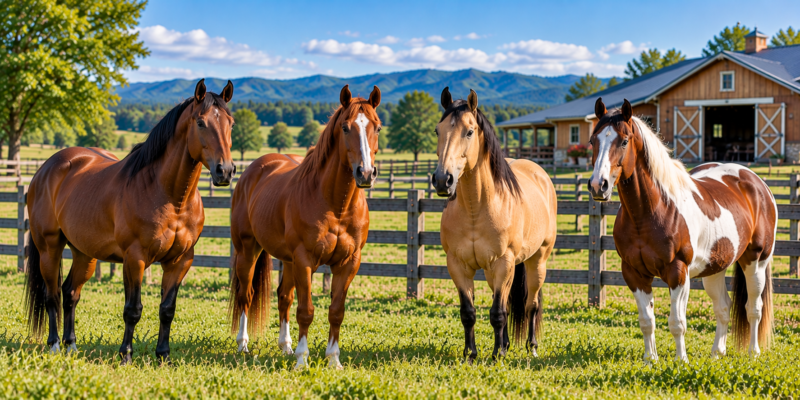
Finding the right horse is exciting. However, buying a horse can also be a major financial commitment.
Many Canadians dream of owning a dependable trail horse, a gentle family companion, or a trained riding horse. Yet they often worry about the purchase price and the cost of long-term care.
Fortunately, searching for affordable horses for sale in Canada gives buyers opportunities to explore different breeds, ages, training levels, and sellers.
However, a low asking price does not always mean a good deal.
A horse that needs extensive training or special medical care may cost more over time than a horse with a higher initial price.
Therefore, the goal should be to find a horse that fits both your riding needs and your financial situation.
This guide explains where to find reasonably priced horses in Canada, what affects their value, how to compare sellers, and what to check before purchasing.
It also covers horse ownership costs, veterinary examinations, transportation, and the possibility of buying a horse from the United States.
If you are exploring American horse sellers, you can also visit Krugger Acre Ranch to review its advertised horses and ask about current purchasing options.
Affordable Horses for Sale in Canada: Where Should You Look?
The best places to find affordable horses in Canada include established breeders, horse ranches, private owners, professional trainers, equine rescues, and specialized online marketplaces.
Each option has advantages. However, buyers should always verify the seller and evaluate the individual horse.
1. Horse Ranches and Breeders
Ranches and breeders may advertise horses with different training backgrounds.
Some focus on recreational riding, while others concentrate on specific breeds or disciplines.
For example, buyers interested in Western riding may research Quarter Horse breeders.
However, breed alone does not determine whether a horse is suitable for your needs.
Ask about temperament, handling, training, and veterinary history.
2. Private Horse Sellers
Private owners sometimes sell horses because their circumstances have changed.
For example, an owner may have less time to ride or may be moving to another property.
A private seller may know the horse’s daily routine well.
However, always verify ownership and important claims.
3. Professional Horse Trainers
Trainers may offer horses at different stages of development.
Some horses have basic riding experience, while others have advanced skills.
However, a horse requiring additional training may not be the most economical choice for a beginner.
4. Equine Rescues
Horse rescues may offer horses through adoption programs.
However, adoption agreements can include restrictions on ownership transfer, future care, or resale.
Some horses may also need specialized management.
Therefore, review the agreement and assess the horse’s needs carefully.
5. Online Horse Marketplaces
Online marketplaces allow buyers to search by province, breed, age, sex, and discipline.
This makes it easier to compare options.
However, the presence of an advertisement does not prove that the seller or listing has been verified.
Always complete your own checks.
How Much Do Affordable Horses Cost in Canada?
Horse prices vary considerably across Canada.
There is no universal price that defines an affordable horse.
A horse’s asking price depends on factors such as breed, age, training, health, experience, pedigree, and location.
For example, a young horse with limited handling may be priced differently from a mature trail horse with established riding experience.
Similarly, a competition horse may command a different price from a recreational riding horse.
What Affects Horse Prices?
| Factor | How it affects value |
|---|---|
| Breed | Demand varies by breed and riding discipline |
| Age | Young horses may need training; mature horses may have established skills |
| Training | More advanced training can increase value |
| Temperament | Suitability for the intended rider matters |
| Health | Medical needs can affect long-term costs |
| Riding experience | Verified experience may influence asking price |
| Pedigree | Registration and breeding history may matter for some buyers |
| Location | Regional demand and transportation costs vary |
Is the Cheapest Horse Always the Best Deal?
No.
The cheapest horse may not be the most economical choice.
For example, a horse with limited training may require professional assistance before it is suitable for recreational riding.
Likewise, a horse with ongoing medical needs may involve additional expenses.
Therefore, compare the total cost of purchase and ownership.
Popular Horse Breeds for Budget-Conscious Canadian Buyers
Canada has a diverse equestrian community.
Different breeds may suit different riding goals.
However, no breed is automatically inexpensive or suitable for every rider.
American Quarter Horses
American Quarter Horses are associated with Western riding, ranch work, trail riding, and various competitive disciplines.
Their versatility makes them worth considering.
However, individual training and temperament remain essential.
Canadian Horses
The Canadian Horse, also known as the Cheval Canadien, is a heritage breed with a long history in Canada.
It has been used for riding, driving, and other activities.
Buyers interested in the breed should research individual horses and their training backgrounds.
American Paint Horses
Paint Horses are recognized for their distinctive coat patterns.
They may participate in recreational riding, Western activities, and ranch work.
However, colour does not determine temperament.
Appaloosa Horses
Appaloosas are known for their varied coat patterns.
They can participate in trail riding, ranch work, and other activities when appropriately trained.
Morgan Horses
Morgans are versatile horses used in riding, driving, and competition.
Their suitability depends on the individual horse’s training, temperament, and health.
Crossbred Horses
Crossbred horses can also be suitable riding companions.
For recreational buyers, training, temperament, and soundness may matter more than pedigree.
Where to Find Affordable Horses Across Canadian Provinces
Horse availability and prices vary by province.
Therefore, searching beyond your immediate area may help you compare more options.
Affordable Horses for Sale in Ontario
Ontario has a broad equestrian community.
Buyers may research recreational riding horses, sport horses, trail horses, and other types through local sellers.
However, compare transportation costs if the horse is far from your property.
Affordable Horses for Sale in Alberta
Alberta has strong Western riding and ranching traditions.
Buyers interested in Quarter Horses, ranch horses, and trail horses may find relevant advertisements.
However, evaluate each horse’s actual experience.
Affordable Horses for Sale in British Columbia
British Columbia offers varied riding environments.
Buyers should consider whether a horse’s training matches their intended terrain and activities.
Affordable Horses for Sale in Saskatchewan
Saskatchewan buyers may research horses through breeders, ranches, trainers, and private owners.
As with other provinces, verify the horse’s history and suitability.
Affordable Horses for Sale in Manitoba
Manitoba offers opportunities to search for recreational riding horses and other equine types.
Buyers should compare current listings and consider travel expenses.
Affordable Horses for Sale in Quebec
Quebec has a diverse equestrian community.
Buyers may research Canadian Horses, recreational riding horses, sport horses, and other breeds.
However, training and health should remain the main priorities.
Buying From Another Province
Searching nationally can increase your options.
However, long-distance purchases may involve additional transportation, veterinary, and inspection expenses.
Therefore, compare the total transaction cost before making a decision.
How to Find an Affordable Horse for Beginners
Beginners should prioritize established training and manageable behaviour.
A horse with limited training may have a lower asking price. However, it may also require more experience than a beginner possesses.
Look for Suitable Training
Ask how regularly the horse has been ridden.
Also, ask about the environments in which it has worked.
For example, a horse accustomed to quiet arena riding may behave differently on unfamiliar trails.
Evaluate Ground Manners
Ask how the horse behaves during:
-
Catching and leading
-
Grooming
-
Hoof cleaning
-
Saddling
-
Mounting
-
Trailer loading
-
Routine veterinary care
A qualified instructor can help assess whether the horse’s behaviour suits your experience.
Consider Age Carefully
A mature horse may have established experience.
However, age alone does not guarantee a calm temperament.
Similarly, a younger horse may be suitable for an experienced owner but not an inexperienced rider.
Affordable Trail Horses for Sale in Canada
Trail riding is a popular reason for purchasing a horse.
However, a good trail horse needs relevant experience.
What Should You Look for in a Trail Horse?
Ask whether the horse has encountered:
-
Uneven ground
-
Water crossings
-
Bridges
-
Wildlife
-
Traffic
-
Group riding
-
Riding alone
-
Unfamiliar surroundings
No horse is completely predictable.
However, experience in relevant environments can help you assess suitability.
Request Trail Riding Videos
Videos may show how the horse behaves outside an arena.
However, edited clips may leave out important details.
Whenever possible, arrange an independent assessment.
How to Evaluate a Horse Before Buying
A horse’s appearance is only one part of the buying decision.
You should also consider temperament, training, health, and suitability.
Review the Horse’s History
Ask about:
-
Age and breed
-
Ownership history
-
Training
-
Riding experience
-
Known injuries
-
Previous illnesses
-
Farrier care
-
Feeding routine
-
Behavioural concerns
Clear answers help you understand the horse.
However, verify important information where possible.
Observe the Horse Being Handled
If possible, watch the horse being caught, groomed, saddled, and ridden.
This can help you understand its everyday behaviour.
Arrange an Independent Veterinary Examination
A pre-purchase veterinary examination can help identify health concerns.
The American Association of Equine Practitioners provides educational resources about equine veterinary care.
Choose a qualified veterinarian and explain your intended use.
Depending on the findings, additional diagnostic testing may be recommended.
However, no examination can guarantee future health.
How to Avoid Horse-Selling Scams in Canada
Online horse shopping can be convenient.
However, buyers should take precautions.
Verify the Seller
Confirm the seller’s identity and authority to sell the horse.
Ask for current photographs, videos, and relevant documents.
Be Careful With Unusually Low Prices
A low price does not automatically indicate fraud.
However, unexplained inconsistencies deserve attention.
Avoid High-Pressure Payment Requests
Be cautious if a seller demands immediate payment or discourages reasonable inspections.
Question Unexpected Fees
Unexpected transportation, insurance, document, or release charges should be independently verified.
Do not send additional payments simply because someone claims they are mandatory.
Use a Written Purchase Agreement
A clear agreement should identify the horse and explain the purchase price, deposit conditions, payment terms, ownership transfer, and transportation responsibilities.
The True Cost of Owning a Horse in Canada
Buying a horse is only the beginning.
Responsible ownership requires ongoing care and financial planning.
Feed and Nutrition
Horses need suitable forage, clean water, and a balanced feeding program.
Nutritional needs vary by age, workload, health, and other factors.
The University of Minnesota Extension offers educational horse care resources.
Boarding or Property Maintenance
If you do not have suitable facilities, you may need to pay for boarding.
If you keep your horse at home, you must maintain safe fencing, shelter, and other facilities.
Veterinary Care
Plan for preventive care and unexpected medical needs.
Discuss vaccinations, parasite management, dental care, and other requirements with your veterinarian.
Farrier Services
Regular hoof care is essential.
The appropriate schedule depends on the individual horse.
Winter Care
Canadian winters can create additional management needs.
Owners should consider shelter, water availability, forage requirements, footing, and weather conditions.
Emergency Savings
Unexpected veterinary expenses can arise.
Therefore, maintain emergency savings or consider suitable insurance where available.
How to Save Money When Buying a Horse
Saving money should not mean skipping essential evaluations or care.
Instead, focus on making informed decisions.
Compare Multiple Horses
Research several horses before purchasing.
Compare their training, health information, temperament, and total costs.
Choose a Horse That Matches Your Skills
A suitable horse may reduce the need for extensive corrective training.
However, all horses require ongoing handling and care.
Consider Transportation Distance
Buying locally may reduce hauling costs.
However, a horse located farther away may still be a better match.
Avoid Unnecessary Purchases
Prioritize essential equipment and appropriate care.
You can purchase additional items as needed.
Seek Professional Advice
A qualified instructor, trainer, or veterinarian can help identify concerns before you buy.
Professional guidance may prevent expensive mistakes.
Can Canadians Buy Affordable Horses From the United States?
Yes. Canadian buyers can purchase eligible horses from the United States when applicable import and export requirements are met.
However, cross-border purchasing requires additional planning.
Check Canadian Import Requirements
The Canadian Food Inspection Agency oversees animal import requirements.
Before purchasing, consult the Canadian Food Inspection Agency for applicable requirements.
Depending on the horse and circumstances, veterinary certification, testing, and other documentation may be required.
Confirm US Export Requirements
The United States also has live animal export procedures.
Review the USDA APHIS live animal export information and consult the relevant authorities before arranging transportation.
Consider Cross-Border Expenses
Additional expenses may include:
-
Veterinary examinations
-
Disease testing
-
Export documentation
-
Professional horse hauling
-
Import-related fees
-
Customs brokerage, where required
-
Applicable taxes
-
Insurance, if purchased
Therefore, request written estimates before committing.
Explore Horses Advertised by Krugger Acre Ranch
If you are considering horses from the United States, Krugger Acre Ranch is one place to explore.
The ranch is based in Texas and maintains a website where prospective buyers can review advertised horses.
Visit Krugger Acre Ranch to explore current information.
You can also learn more about the ranch through its About Us section.
When contacting the ranch, explain your riding experience, preferred horse type, intended use, budget, and Canadian destination.
Ask about current availability, individual horse prices, training, temperament, and health information.
If you are interested in importing a horse into Canada, ask whether suitable transportation arrangements can be discussed.
All purchasing and delivery details should be confirmed before payment.
Questions to Ask Before Buying an Affordable Horse
Before purchasing, ask:
-
What is the horse’s age, breed, and height?
-
How long have you owned the horse?
-
Why is the horse being sold?
-
What training has it received?
-
What type of rider is suitable?
-
Does it have any known behavioural concerns?
-
Has it experienced previous injuries or illnesses?
-
Are veterinary and farrier records available?
-
Can I arrange an independent veterinary examination?
-
Can I observe the horse being ridden?
-
What are the payment conditions?
-
What transportation arrangements are available?
Clear answers can help you compare horses and identify concerns.
The Smart Canadian Horse Buyer’s Checklist
Before completing a purchase, make sure you have:
-
Defined your riding goals
-
Established a realistic budget
-
Compared suitable horses
-
Verified the seller
-
Confirmed ownership information
-
Reviewed current photographs and videos
-
Arranged an independent veterinary examination
-
Obtained a professional riding assessment when appropriate
-
Reviewed the purchase agreement
-
Confirmed transportation expenses
-
Prepared for ongoing ownership costs
A careful approach can help you find better long-term value.
Find an Affordable Horse That Fits Your Needs
Finding a reasonably priced horse in Canada is possible when you approach the search carefully.
However, affordability should never come at the expense of health, suitability, or responsible ownership.
Start by identifying your riding goals and financial limits.
Next, compare horses from different sellers and verify important details.
Then arrange independent evaluations and review the purchase terms.
Finally, prepare for transportation and long-term care.
The right horse is not necessarily the cheapest animal advertised.
It is the horse that fits your experience, riding goals, and ongoing financial responsibilities.
Ready to explore your options? Visit Krugger Acre Ranch to review advertised horses and contact the ranch about an animal that interests you.
Share your riding goals, preferred breed, experience level, budget, and Canadian destination to begin discussing a possible purchase.
Frequently Asked Questions
1. Where can I find affordable horses for sale in Canada?
You can search reputable horse breeders, ranch websites, private sellers, professional trainers, equine rescues, and specialized horse marketplaces. Compare listings across Ontario, Alberta, British Columbia, Quebec, and other provinces to find suitable options.
2. How much does a horse cost in Canada?
Horse prices vary depending on breed, age, training, health, location, and riding experience. There is no fixed price for an affordable horse. Always compare current asking prices and include transportation, veterinary examinations, and ongoing care in your budget.
3. What is the best affordable horse breed for beginners?
Quarter Horses, Morgans, Paint Horses, and other breeds may include individuals suitable for beginners. However, established training, temperament, and compatibility with the rider are more important than breed alone.
4. Are older horses more affordable than younger horses?
Sometimes. Older horses may have lower asking prices, but this depends on their health, training, and experience. A mature, well-trained horse may offer good value for a suitable rider. Always arrange an independent veterinary examination.
5. Can I buy a good riding horse on a limited budget?
Yes. A suitable horse may be available within a limited budget. However, avoid choosing solely by price. Compare temperament, training, soundness, and the total cost of ownership.
6. Is it safe to buy horses online in Canada?
Online horse purchases can be made safer by verifying the seller, confirming ownership, requesting current videos, arranging independent examinations, and using a written purchase agreement. Avoid sending money before completing reasonable checks.
7. Can I buy a horse from the United States and bring it into Canada?
Yes, eligible horses may be imported when Canadian and American animal health and border requirements are met. Confirm the current documentation, testing, transportation, and import requirements before purchasing.
8. Can Canadian buyers purchase affordable horses from Krugger Acre Ranch?
Canadian buyers can explore horses advertised by Krugger Acre Ranch and inquire about individual prices and purchasing options. Availability, affordability, import eligibility, and transportation arrangements must be confirmed directly before completing a transaction.
