Uncategorized
How to Choose a Trusted Horse Breeder in Canada
How to Choose a Trusted Horse Breeder in Canada: The Complete Buyer’s Guide
Learn How to Choose a Trusted Horse Breeder in Canada. Discover breeder checks, horse health tips, key questions, and safer buying advice.
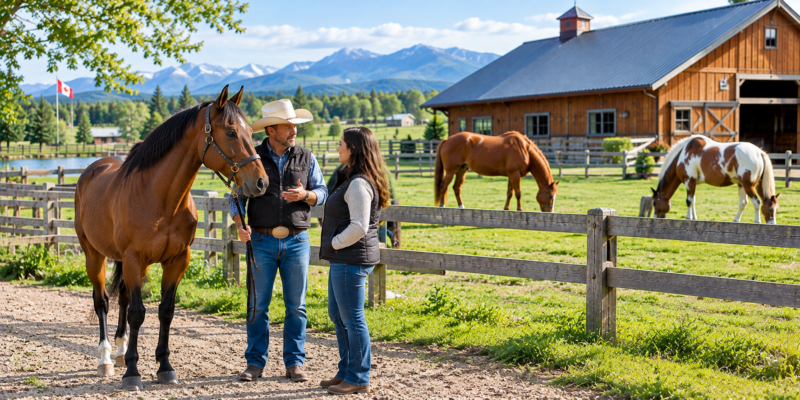
Buying a horse can be one of the most exciting decisions you make. Whether you dream of peaceful trail rides, owning your first family horse, or competing in equestrian events, finding the right horse starts with choosing the right seller.
However, not every horse breeder offers the same level of transparency, experience, or care.
If you are researching how to choose a trusted horse breeder in Canada, you need more than a list of farms or attractive horse photographs.
You need to understand how responsible breeders operate, which questions to ask, and what warning signs to watch for before spending your money.
A reputable breeder should be willing to discuss their breeding goals, the horse’s background, and relevant health information. They should also explain what they know about the horse’s temperament, handling, and training.
Meanwhile, buyers should remember that a registered pedigree does not automatically mean a horse is healthy, well-trained, or suitable for their needs.
Across Canada, horse buyers can explore different breeds and riding disciplines. From Western riding in Alberta to recreational riding in Ontario and trail riding in British Columbia, the Canadian equestrian community offers many opportunities.
Still, the basic principles of responsible horse buying remain the same.
This guide explains how to research Canadian breeders, evaluate horses, verify documentation, and complete a purchase with greater confidence.
It also explains how buyers can research horses advertised through Krugger Acre Ranch when considering options beyond Canadian breeders.
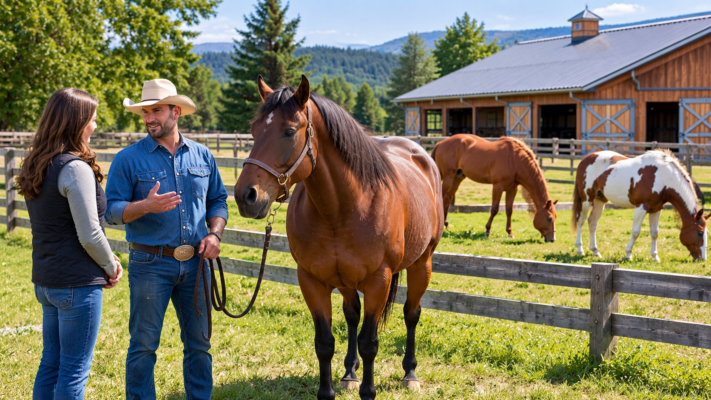
What Is a Trusted Horse Breeder?
A trusted horse breeder is someone who follows responsible breeding and animal care practices, provides accurate information about their horses, and treats buyers fairly.
However, a breeder’s reputation should be supported by verifiable information rather than advertising claims alone.
Responsible Breeding Practices
A responsible breeder considers the health, temperament, conformation, and intended purpose of the horses in their breeding program.
They should also provide appropriate nutrition, veterinary care, and management.
Breeding decisions may involve pedigree, performance characteristics, genetic considerations, and suitability for the breed’s intended use.
However, no breeding program can guarantee that every foal will develop into a particular type of riding horse.
Transparency About Each Horse
A breeder should be able to explain important details about a horse.
These may include:
-
Age and breed
-
Parentage, when known
-
Registration status
-
Handling experience
-
Training history
-
Known health concerns
-
Temperament
-
Intended riding or breeding purpose
Importantly, the breeder should distinguish between documented facts and personal observations.
Willingness to Answer Questions
A trustworthy breeder should respond to reasonable questions about the horse.
For example, ask whether you can arrange an independent veterinary examination.
Also, ask whether you can visit the property or hire an independent professional to evaluate the horse.
A breeder’s willingness to cooperate with appropriate checks can help buyers assess the transaction.
How to Choose a Trusted Horse Breeder in Canada: 10 Essential Steps
Choosing a breeder becomes easier when you follow a clear process.
Step 1: Define Your Horse-Buying Goals
Before contacting breeders, decide what type of horse you need.
Are you searching for a family horse, trail horse, ranch horse, breeding prospect, or competition horse?
Also, consider your riding experience.
A beginner may need a mature horse with established training. Meanwhile, an experienced rider may be prepared to work with a younger horse.
Your goals should guide your search.
Step 2: Research Canadian Horse Breeders
Look for breeders who provide clear information about their horses and breeding programs.
Research their identity, location, and the types of horses they produce.
You can begin with breed associations, equestrian organizations, and recommendations from qualified equine professionals.
However, do not assume that a breeder is trustworthy simply because they belong to an organization.
Step 3: Verify the Breeder’s Identity
Confirm the breeder’s name, business information, and connection to the horses being advertised.
If a seller claims to represent a particular breeding farm, verify that relationship through independently obtained contact details.
This is especially important when buying online.
Step 4: Ask About the Breeding Program
A breeder should be able to explain why particular horses were selected for breeding.
For example, some programs focus on Western performance, while others focus on recreational riding, driving, or sport horses.
Ask how the breeder evaluates health, temperament, and suitability.
Step 5: Request Information About the Horse
Ask for the horse’s age, breed, sex, height, and relevant history.
If the horse is registered, request identifying details that allow you to verify the registration.
Also, ask about handling and training.
Step 6: Arrange a Visit or Independent Evaluation
Whenever practical, visit the horse.
Observe the animal in its normal environment.
If travel is difficult, consider hiring a qualified independent professional.
Step 7: Evaluate Temperament and Training
Watch how the horse responds to ordinary handling.
If the horse is trained for riding, ask for demonstrations relevant to your intended activities.
A horse suitable for an experienced rider may not be appropriate for a beginner.
Step 8: Arrange a Veterinary Examination
Hire an independent equine veterinarian to conduct an appropriate pre-purchase examination.
Discuss the horse’s intended use before the examination.
Step 9: Review Documents and Purchase Terms
Verify ownership, registration information when applicable, and the terms of the sale.
Use a written purchase agreement.
Step 10: Confirm Transportation and Prepare for Arrival
Arrange suitable transportation and prepare the horse’s new environment.
If the horse is coming from another province or country, check applicable animal health and movement requirements.
Following these steps can reduce uncertainty and help you make a more informed decision.
Where to Find Reputable Horse Breeders in Canada
Canadian horse buyers can research breeders through several channels.
However, each breeder and horse should be evaluated individually.
Ontario Horse Breeders
Ontario has a diverse equestrian community.
Buyers may find breeders specializing in recreational riding, Western disciplines, English riding, and sport horses.
However, the location of a breeder does not determine the quality of its breeding program.
Ask about the individual horse’s background and intended use.
Alberta Horse Breeders
Alberta has a strong Western riding and ranching culture.
Some breeders focus on horses intended for ranch work, Western performance, or recreational riding.
However, a horse bred for ranch work is not automatically suitable for a beginner.
Training and temperament still matter.
British Columbia Horse Breeders
British Columbia offers varied riding environments and equestrian activities.
Buyers interested in trail riding should ask whether a horse has relevant experience.
A horse bred for athletic ability may still need additional training before becoming a dependable trail companion.
Saskatchewan and Manitoba Horse Breeders
Saskatchewan and Manitoba have equestrian communities with interests in Western riding, recreational activities, and ranch work.
Buyers should evaluate breeding goals, handling practices, and individual horse characteristics.
Quebec Horse Breeders
Quebec has a range of equestrian activities and horse breeds.
Buyers can research breeders through relevant breed associations and equestrian organizations.
As elsewhere, verify important information independently.
Atlantic Canada Horse Breeders
Horse buyers in Nova Scotia, New Brunswick, Prince Edward Island, and Newfoundland and Labrador can also research local breeders.
However, if suitable horses are not available nearby, buyers may consider options in other provinces.
Transportation costs and logistics should be part of the decision.
Which Horse Breeds Should Canadian Buyers Consider?
Different breeds have different histories and common uses.
However, breed alone does not determine whether a horse is suitable for a particular rider.
American Quarter Horses

American Quarter Horses are widely used for Western riding, ranch work, and recreational activities.
Their versatility makes them worth considering for buyers interested in several riding disciplines.
However, Quarter Horses vary in temperament, training, and athletic ability.
The American Quarter Horse Association provides additional information about the breed and registration.
Canadian Horses

The Canadian Horse is a historic breed developed in Canada.
These horses have been used for riding, driving, and farm work.
Buyers interested in Canadian breeds may wish to research their history and characteristics.
However, individual suitability still depends on training and temperament.
American Paint Horses

Paint Horses are recognizable for their distinctive coat patterns.
They participate in Western riding, recreational activities, and other disciplines.
However, coat colour does not indicate temperament or training.
Morgan Horses

Morgans are used for riding, driving, and other equestrian activities.
Their versatility makes them worth considering.
However, buyers should assess each horse individually.
Thoroughbreds

Thoroughbreds are associated with racing but also participate in other riding disciplines.
Some have transitioned into recreational or sport-horse careers.
However, training history and suitability should be carefully evaluated.
Crossbred Horses
A suitable riding horse does not need a particular pedigree.
Some crossbred horses have extensive experience in recreational riding and other activities.
For many buyers, temperament and training matter more than breed popularity.
How to Evaluate a Horse Breeder’s Facilities
A farm visit can provide useful information about how horses are managed.
However, an attractive property does not automatically indicate responsible breeding.
Clean and Appropriate Living Areas
Observe the horses’ living conditions.
Facilities should provide appropriate shelter, safe fencing, and access to clean water.
Suitable Feeding and Nutrition
Ask about feeding practices.
Horses require appropriate forage and nutrition based on their individual needs.
A breeder should be able to explain the general feeding program.
Horse Behaviour and Body Condition
Observe the horses.
Do they appear alert and responsive?
Are they in suitable body condition?
However, appearance alone cannot establish health.
A veterinarian should evaluate medical concerns.
Hoof Care and General Management
Ask about routine hoof care and veterinary management.
A responsible breeder should be able to explain how horses receive regular care.
Handling Practices
Observe how staff or handlers interact with horses.
Calm, consistent handling can provide useful information about management practices.
Why Horse Temperament Matters When Buying
Temperament affects how a horse responds to people, training, and unfamiliar situations.
However, temperament can vary with environment, handling, physical comfort, and experience.
Temperament for Beginners
Beginners generally benefit from horses with established training and relevant experience.
However, a horse advertised as gentle is not automatically appropriate for a novice.
A qualified instructor can help assess suitability.
Temperament for Families
Families should consider the abilities of everyone who may handle or ride the horse.
If children will be involved, ask about the horse’s experience with young riders.
Importantly, children should receive appropriate instruction and supervision.
Temperament for Experienced Riders
Experienced riders may seek horses with different levels of responsiveness and athletic ability.
However, a horse should still match the rider’s goals and handling skills.
Understanding Horse Training Before Buying
Training is an important part of selecting a horse.
However, breeders may offer horses at different stages of development.
Young Horses
Young horses may have limited handling or training.
They often require experienced care and continued education.
Therefore, they may not be appropriate for first-time owners.
Green-Broke Horses
A green-broke horse has begun learning to accept a rider and respond to basic cues.
However, the term is not standardized.
Ask exactly what the horse can do.
Well-Trained Riding Horses
A well-trained horse should demonstrate established skills relevant to its intended activities.
However, the level of training varies by discipline.
Ask for current demonstrations.
Competition Horses
Competition horses may have specialized training.
However, a horse trained for demanding competition may not suit recreational riders.
Choose based on your intended use.
Why a Pre-Purchase Veterinary Examination Is Important
A pre-purchase examination helps buyers understand a horse’s current health and physical condition.
However, it does not guarantee future soundness or performance.
Choose an Independent Veterinarian
The buyer should ideally select a veterinarian who can provide an independent assessment.
Explain how you intend to use the horse.
Understand the Examination
The examination may include a general physical assessment, movement evaluation, and other procedures considered appropriate by the veterinarian.
Additional testing may be recommended depending on the horse’s history and examination findings.
Review the Results Carefully
Ask the veterinarian to explain any findings and how they may affect the horse’s intended use.
The American Association of Equine Practitioners provides educational resources about equine health and veterinary care.
How to Verify Horse Registration and Pedigree in Canada
Registration documents may provide useful information about a horse’s identity and recorded ancestry.
However, registration does not guarantee health, temperament, or performance.
Request Registration Information
If the horse is advertised as registered, request its registered name and identifying details.
Verify the Details
Contact the appropriate breed registry to confirm the information.
Different breeds may have different registration procedures.
Confirm Ownership Transfer Requirements
Ask what documents are needed to transfer registration.
Also, clarify who is responsible for submitting them and paying applicable fees.
Understand Pedigree Limitations
Pedigree may matter for breeding or competition goals.
However, it should not replace an evaluation of the individual horse.
Questions to Ask a Canadian Horse Breeder Before Buying
Before purchasing, ask:
-
How long have you been breeding horses?
-
What are the goals of your breeding program?
-
Did you breed this particular horse?
-
What is the horse’s age, breed, sex, and height?
-
Is the horse registered?
-
Can its pedigree be verified?
-
What handling and training has it received?
-
What is known about its temperament?
-
Has it experienced significant injuries or illnesses?
-
Are relevant veterinary records available?
-
Can I arrange an independent veterinary examination?
-
Can I visit the horse or hire an independent evaluator?
-
Can I see current photographs and videos?
-
What documents are included in the sale?
-
What are the payment and transportation terms?
Clear answers help buyers compare sellers and identify concerns.
How to Avoid Horse Sale Scams in Canada
Online horse shopping can be convenient.
However, buyers should remain cautious.
Verify the Seller
Confirm the seller’s identity and connection to the horse.
If the seller claims to represent a breeding farm, verify that relationship independently.
Request Recent Photographs and Videos
Ask for current images that clearly identify the horse.
For a riding horse, request demonstrations relevant to its advertised training.
Avoid Rushed Payments
Be cautious if a seller pressures you to send money immediately.
Take time to review important information.
Use a Written Agreement
A written agreement should identify the horse and explain the purchase terms.
Verify Unexpected Charges
Unexpected requests for transportation, insurance, documentation, or other fees should be independently verified.
Do not assume that a charge is legitimate simply because someone describes it as mandatory.
What Documents Are Needed When Buying a Horse in Canada?
The documents required depend on the transaction and transportation arrangements.
However, several records may be relevant.
Bill of Sale
A bill of sale should identify the horse, buyer, seller, purchase price, and agreed terms.
Registration Papers
If the horse is registered, ask about the relevant registration and transfer documents.
Veterinary Records
Request available health information.
However, remember that records may be incomplete.
Transportation Documentation
Movement requirements depend on the horse’s origin, destination, and circumstances.
For international purchases, consult the Canadian Food Inspection Agency for current import requirements.
For domestic transportation, verify applicable provincial and other relevant requirements.
How Much Does It Cost to Buy a Horse From a Breeder in Canada?
Horse prices vary widely.
Factors influencing asking prices may include:
| Factor | Why it matters |
|---|---|
| Breed | Demand varies by breed |
| Age | Age affects experience and care needs |
| Training | Established skills may influence value |
| Temperament | Suitability for intended use can affect demand |
| Pedigree | Verified ancestry may matter for breeding goals |
| Health | Known conditions may affect suitability |
| Competition history | Verified experience may influence value |
| Location | Regional markets and transportation costs differ |
Consider the Total Cost of Ownership
The purchase price is only part of horse ownership.
Ongoing expenses may include feed, hay, boarding, veterinary care, hoof care, dental care, lessons, equipment, and emergency treatment.
In Canada, seasonal expenses may also be important.
For example, winter feeding, shelter, water management, and facility maintenance can increase costs.
Avoid Choosing Solely by Price
A less expensive horse is not automatically a better purchase.
Similarly, a higher price does not guarantee suitability.
Focus on the horse’s individual qualities and your ability to provide appropriate care.
Buying a Horse From Another Province
Some buyers find suitable horses outside their home province.
However, long-distance purchases require planning.
Arrange an Independent Evaluation
Whenever possible, visit the horse or hire a qualified professional.
Confirm Transportation Requirements
Ask about applicable animal health documentation and transportation arrangements.
Choose an Experienced Transporter
Select a transporter with appropriate equipment and experience handling horses.
Prepare for Arrival
Arrange suitable shelter, fencing, water, feed, and care before the horse arrives.
Also, discuss arrival health precautions with your veterinarian.
Can Canadian Buyers Purchase Horses From American Sellers?
Yes, eligible horses can be imported into Canada when applicable requirements are met.
However, purchasing a horse from the United States involves additional planning.
Confirm Import Eligibility
Before purchasing, verify the horse’s eligibility for import.
Requirements may depend on the horse’s origin, health status, and intended use.
Review Veterinary Documentation
Ask which veterinary examinations, tests, and certificates are required.
Use current official guidance rather than relying on assumptions.
Confirm Transportation Arrangements
International horse transportation may involve specialized transporters and border procedures.
Ask for written information about the arrangements.
Understand the Full Cost
Consider the horse’s purchase price, veterinary examinations, required documentation, transportation, customs-related charges, and applicable taxes.
Verify all costs before making payment.
Explore Horses Advertised by Krugger Acre Ranch
Canadian buyers interested in exploring horses from American sellers can begin by reviewing the horses advertised through Krugger Acre Ranch.
Before making an inquiry, consider your riding experience, intended activities, preferred horse type, and budget.
Then ask about the individual horses that interest you.
Useful questions include:
-
Which horses are currently available?
-
What are their ages and breeds?
-
Were they bred at the ranch or sourced elsewhere?
-
What training have they received?
-
What is known about their temperament?
-
Can independent evaluations be arranged?
-
What documents are available?
-
Can a sale to a Canadian buyer be arranged?
-
What transportation requirements would apply?
For buyers specifically seeking a horse directly from its breeder, confirming the horse’s breeding history is especially important.
You can also explore [INTERNAL LINK: Relevant Horse Listings Page] once the correct destination has been verified.
The Canadian Horse Buyer’s Checklist
Before purchasing, make sure you have:
-
Defined your riding goals
-
Researched the breeder or seller
-
Verified the seller’s identity
-
Confirmed the horse’s background
-
Reviewed relevant registration information
-
Evaluated temperament and training
-
Watched current demonstrations
-
Consulted a qualified instructor when needed
-
Arranged an independent veterinary examination
-
Reviewed a written purchase agreement
-
Confirmed transportation requirements
-
Prepared suitable facilities
-
Budgeted for ongoing care
Following these steps can help you make a more informed decision.
Choose Your Horse Breeder With Confidence
Finding a trusted horse breeder in Canada requires careful research.
A responsible breeder should provide accurate information, explain relevant breeding and management practices, and support buyers in making informed decisions.
However, even a breeder with a positive reputation cannot guarantee that every horse will suit every rider.
Therefore, focus on the individual horse.
Evaluate its temperament, training, health, background, and compatibility with your riding goals.
Most importantly, take time to verify important claims and seek independent professional advice.
Ready to explore your options? Visit Krugger Acre Ranch to review advertised horses and contact the ranch about your horse-buying needs.
Share your riding experience, preferred breed, intended activities, budget, and Canadian location. Ask about current availability, individual horse details, and whether a purchase and transportation to Canada can be arranged.
A thoughtful search can help you find a horse that becomes a rewarding part of your equestrian journey.
Frequently Asked Questions
1. How do I find a reputable horse breeder in Canada?
Start with recognized breed associations, equestrian organizations, and recommendations from qualified horse professionals. Verify the breeder’s identity, ask about their breeding program, and arrange independent evaluations before purchasing.
2. What makes a horse breeder trustworthy?
A trustworthy breeder provides accurate information about their horses, explains their breeding and care practices, and responds to reasonable buyer questions. They should also be willing to discuss independent veterinary examinations and relevant documentation.
3. Should I visit a horse breeder before buying?
An in-person visit is preferable whenever practical. It allows you to observe the horse, its living conditions, and handling practices. If travel is difficult, consider hiring an independent qualified professional.
4. How can I verify a horse’s registration papers in Canada?
Request the horse’s registered name and identifying details. Then contact the appropriate breed registry to confirm registration information and ownership transfer requirements.
5. Should I arrange a veterinary examination before buying a horse?
Yes. An independent pre-purchase veterinary examination is strongly recommended. It helps identify findings relevant to the horse’s intended use, although it cannot guarantee future health or performance.
6. How much does a horse from a Canadian breeder cost?
Prices vary according to breed, age, pedigree, training, health, experience, and location. Buyers should compare current listings and budget for ongoing ownership expenses.
7. Can I buy a horse online from a Canadian breeder?
Yes. However, verify the seller, request current photographs and videos, arrange independent assessments, and use a written purchase agreement. Avoid sending money before important details have been confirmed.
8. Can I purchase a horse from the USA and bring it to Canada?
Yes, eligible horses can be imported when applicable Canadian import and US export requirements are met. Confirm current documentation, veterinary testing, transportation arrangements, and costs before purchasing.
