Uncategorized
Buy Horses Online in the USA: What Every Buyer Should Know
Oct
Buy Horses Online in the USA: What Every Buyer Should Know
Buying a horse online can open the door to thousands of potential riding partners. Instead of limiting your search to nearby farms, you can explore horse listings across Texas, Oklahoma, Florida, Kentucky, California, and other states.
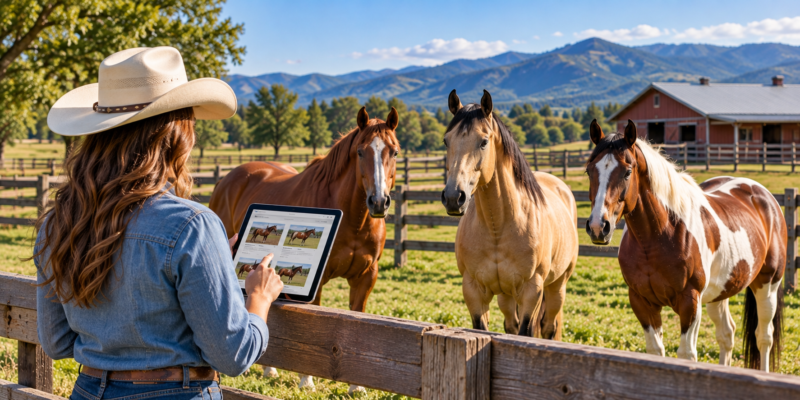
However, finding an attractive horse online is only the beginning.
A beautiful photograph cannot tell you everything about a horse’s temperament, training, soundness, or suitability for your riding goals.
Likewise, a promising description does not replace independent verification.
If you want to buy horses online in the USA, understanding the purchasing process can help you avoid costly mistakes and make a more informed decision.
This guide explains how to find suitable horses, evaluate sellers, review photographs and videos, arrange veterinary examinations, understand payment terms, and organize transportation.
You will also learn how to recognize warning signs and prepare for your horse’s arrival.
For buyers interested in exploring online horse listings, Krugger Acre Ranch is a Texas-based horse seller where prospective customers can review advertised horses and inquire about individual animals.
The goal is simple: find a horse that suits your needs and complete the purchase with clear information and appropriate safeguards.
Buy Horses Online in the USA: What Every Buyer Should Know Before Paying
Buying a horse online means using internet listings and remote communication to find, evaluate, and potentially purchase a horse.
However, a responsible online purchase should involve much more than selecting a horse and sending payment.
The safest approach is to verify the seller, assess the horse’s suitability, arrange independent professional evaluations, review a written purchase agreement, and confirm transportation before completing the transaction.
The Seven Steps to Buying a Horse Online
-
Define your riding goals and budget.
-
Search reputable horse listings.
-
Verify the seller and horse’s identity.
-
Request current photographs, videos, and relevant records.
-
Arrange an independent veterinary examination and riding assessment.
-
Review the purchase agreement and payment arrangements.
-
Organize transportation and prepare for the horse’s arrival.
Each step helps you make a better-informed decision.
Importantly, do not skip verification simply because a horse appears attractive or the seller describes it as an excellent opportunity.
Why More Buyers Search for Horses Online
Online horse shopping offers several practical advantages.
First, it allows you to compare horses from different regions.
For example, a buyer in Georgia may find a suitable trail horse advertised in Texas. Similarly, a ranch owner in Colorado may discover a horse with relevant working experience in Oklahoma.
Second, online listings make it easier to research breeds, training backgrounds, and asking prices before contacting sellers.
In addition, photographs and videos can help you decide which horses deserve further investigation.
However, online convenience comes with responsibilities.
You still need to confirm that the advertised horse exists, that the seller has authority to sell it, and that its actual qualities match the description.
Online Research Versus Buying Without Visiting
There is an important difference between finding a horse online and completing the entire purchase remotely.
Finding a horse online is a useful starting point.
Purchasing without visiting requires additional safeguards.
Whenever practical, inspect the horse in person with a qualified professional.
If travelling is impossible, consider hiring an independent local trainer or equine professional to observe the horse on your behalf.
Where to Find Horses for Sale Online in America
There are several ways to find horses advertised online.
Each offers different advantages.
| Online source | Potential advantage | Important checks |
|---|---|---|
| Horse ranch websites | Direct access to ranch listings | Verify horse details and seller identity |
| Breeder websites | Information about breeding and early handling | Verify registration and health claims |
| Trainer websites | Discipline-specific horses | Confirm training and riding suitability |
| Specialized marketplaces | Broad selection across states | Verify each seller independently |
| Private-owner listings | Potential ownership history | Confirm ownership, records, and condition |
Horse Ranch Websites
Ranch websites may advertise horses for trail riding, Western disciplines, ranch work, and recreational riding.
These listings can be useful when you want a horse with practical experience.
However, ask about the actual work performed by the horse.
For example, a horse described as a ranch horse may have different skills from another horse using the same description.
Horse Breeder Websites
Breeders may provide information about pedigree, registration, and early handling.
This can be helpful when researching young horses or specific bloodlines.
However, a registered pedigree does not guarantee that a horse is suitable for your riding ability.
Professional Trainer Listings
Professional trainers sometimes advertise horses with specialized training.
These may include horses prepared for reining, cutting, jumping, dressage, or other disciplines.
Ask for specific evidence of training and competition experience when relevant.
Online Equestrian Marketplaces
Specialized horse marketplaces can help you compare horses across different states.
However, the marketplace itself may not verify every seller’s claims.
Therefore, evaluate each advertisement independently.
How to Choose the Right Horse Before Buying Online
The right horse should match your experience, riding goals, and ability to provide proper care.
Breed and appearance can influence your preferences, but they should not determine the purchase alone.
Define Your Riding Goals
Before browsing listings, decide what you want to do with your horse.
Do you want a quiet trail companion?
Are you interested in ranch work?
Perhaps you want a horse for Western pleasure, recreational riding, or competition.
Your intended activities should guide your search.
For example, a horse with extensive arena training may not have the outdoor experience needed for challenging trails.
Similarly, a horse accustomed to cattle work may not have specialized training for an English riding discipline.
Consider Your Riding Experience
Be realistic about your current ability.
A beginner may benefit from a horse with established training and manageable behaviour.
An experienced rider may be comfortable working with a more sensitive or developing horse.
However, no horse is completely predictable.
If you are new to horse ownership, involve a qualified riding instructor in the selection process.
Think About Age and Training
Young horses often require additional training and experienced handling.
Mature horses may offer established riding experience.
Older horses can also make excellent companions when their health and workload are appropriate.
Therefore, consider age alongside training, soundness, and intended use.
Popular Horse Breeds to Consider When Shopping Online
The American horse market includes many breeds suited to different equestrian activities.
American Quarter Horse
Quarter Horses are widely associated with Western riding, ranch work, trail riding, and various competitive disciplines.
Their versatility makes them worth researching for many riding goals.
However, individual training and temperament vary.
For additional breed information, visit the American Quarter Horse Association.
American Paint Horse
Paint Horses are recognized for their distinctive coat patterns and stock-horse heritage.
They can participate in recreational riding, ranch activities, and Western disciplines.
Nevertheless, coat colour does not determine riding suitability.
Appaloosa Horse
Appaloosas are known for their varied coat patterns.
They can participate in trail riding, ranch work, and other activities when appropriately trained.
Arabian Horse
Arabians are recognized for endurance and responsiveness.
They participate in endurance riding, showing, and other equestrian disciplines.
Morgan Horse
Morgans are versatile horses found in recreational riding, driving, and competitive activities.
As with other breeds, assess each horse individually.
Other Horse Breeds
Buyers may also encounter Thoroughbreds, Tennessee Walking Horses, Warmbloods, Friesians, Gypsy Vanners, and various crosses.
These are examples from the broader American horse market, not a statement that every breed is currently available at Krugger Acre Ranch.
How to Evaluate Horse Listings Online
A useful horse advertisement should help you understand the animal’s basic characteristics and advertised experience.
However, even detailed listings need verification.
Check the Horse’s Description
Look for information such as:
-
Age
-
Breed
-
Sex
-
Height
-
Training level
-
Riding experience
-
Intended discipline
-
Known health concerns
-
Registration status, when applicable
-
Location
If important details are missing, ask the seller directly.
Request Current Photographs
Photographs should show the actual horse.
Ask for clear images of its body, legs, feet, and general condition.
However, photographs alone cannot establish soundness or suitability.
Ask for Riding Videos
For a riding horse, useful footage may show:
-
Catching and leading
-
Grooming and saddling
-
Mounting
-
Walking, trotting, and cantering
-
Stopping and backing
-
Riding in environments relevant to your goals
Continuous footage may provide more context than short edited clips.
However, video cannot replace an independent professional assessment.
How to Verify an Online Horse Seller
Seller verification is one of the most important steps in online horse shopping.
A professional-looking website is helpful, but it is not proof that every claim is accurate.
Confirm the Seller’s Identity
Check the seller’s contact information and business details.
Ask who owns the horse and who has authority to sell it.
If the seller is acting for another owner, clarify that arrangement.
Verify the Horse’s Identity
Ask for identifying details that can be checked against available records.
These may include registration information, markings, and veterinary documents.
If a horse is advertised as registered, contact the relevant breed registry to understand how its records can be verified.
Ask for a Live Video Call
A live video call can help confirm that the seller has access to the advertised horse.
You may ask to see the horse in its normal environment.
However, a live call does not replace a veterinary examination or establish ownership by itself.
Be Cautious About Pressure
Avoid sellers who demand immediate payment or discourage reasonable inspections.
Also, independently confirm unexpected changes to bank or payment instructions.
Common Online Horse Sales Scams to Avoid
Online horse listings can attract fraudulent activity.
Recognizing warning signs helps protect buyers.
Unrealistic Offers
Be cautious when a horse is advertised with unusually attractive terms but the seller cannot provide verifiable information.
A low asking price is not proof of fraud, but unexplained inconsistencies deserve attention.
Reused Photographs
Fraudulent listings may use photographs taken from unrelated advertisements.
Ask for current footage and independent verification.
Refusal to Allow Inspections
A seller who refuses reasonable veterinary or professional evaluations may be hiding important information.
If the seller cannot explain the refusal, reconsider the purchase.
Unexpected Payment Requests
Be careful with requests for additional fees that were not disclosed in the purchase agreement.
For example, unexpected insurance, transport, document, or release charges should be independently verified before payment.
False Urgency
A seller may claim that several buyers are waiting and insist that you send money immediately.
Do not let urgency replace proper due diligence.
Why a Pre-Purchase Veterinary Examination Is Essential
A pre-purchase veterinary examination helps buyers understand a horse’s current health and potential limitations.
This is especially important when buying remotely.
The American Association of Equine Practitioners provides resources about equine veterinary care and responsible horse ownership.
What Does the Examination Include?
Depending on the horse and veterinarian’s recommendations, an examination may include:
-
General physical assessment
-
Heart and respiratory examination
-
Eye examination
-
Hoof and limb evaluation
-
Movement and lameness assessment
-
Review of available medical history
-
Additional diagnostic testing when appropriate
The veterinarian may recommend radiographs or laboratory testing if concerns arise.
However, no examination guarantees future health.
Choose an Independent Veterinarian
Ideally, select an equine veterinarian who represents your interests as the buyer.
If the horse is located in another state, you can arrange an examination with a qualified local veterinarian.
Discuss your intended use before the appointment.
A horse suitable for light recreational riding may not meet the physical demands of high-level competition.
How Much Does It Cost to Buy a Horse Online?
Horse prices vary widely.
Breed, age, training, health, pedigree, competition experience, and regional demand can all affect the asking price.
Therefore, compare current listings rather than relying on a single general price estimate.
Remember the Additional Costs
Your total purchase budget may include:
-
The horse’s asking price
-
Pre-purchase veterinary examination
-
Additional testing or imaging
-
Travel or independent professional inspection
-
Transportation
-
Required health documentation
-
Insurance, if selected
-
Tack and equipment
-
Initial boarding or facility preparation
Also, plan for ongoing feed, farrier, veterinary, and maintenance expenses.
The purchase price is only the beginning.
How to Pay for a Horse Purchased Online
Before sending payment, review the written agreement and confirm the seller’s identity.
Use a Written Purchase Agreement
The agreement should identify the horse and explain the sale conditions.
Important details include:
-
Horse identification
-
Purchase price
-
Deposit terms, if any
-
Payment schedule
-
Veterinary examination conditions
-
Ownership transfer
-
Transportation responsibilities
-
Cancellation or refund conditions
-
Any representations or warranties expressly agreed upon
A written agreement helps reduce misunderstandings.
Verify Payment Instructions
Confirm payment details using a trusted contact method.
Be especially cautious if payment instructions change unexpectedly.
For higher-value transactions, consider obtaining advice from a qualified attorney or using an appropriately structured escrow arrangement.
However, verify the escrow provider independently before transferring funds.
Understand Deposits
Some sellers may request a deposit to reserve a horse.
Before paying, clarify whether it is refundable and under what conditions.
Do not assume that a deposit can be recovered unless the agreement provides for it.
Horse Transportation After an Online Purchase
If you buy a horse from another state, transportation requires careful planning.
Interstate Health Requirements
Horse movement requirements vary by destination state.
Depending on the circumstances, you may need a Certificate of Veterinary Inspection, equine infectious anemia testing, identification records, or other documentation.
The USDA Animal and Plant Health Inspection Service provides official animal health information.
Check the current requirements of the destination state’s animal health authority before shipping.
Choose a Suitable Horse Transporter
Ask potential transporters about:
-
Experience hauling horses
-
Vehicle and trailer suitability
-
Route and expected delivery window
-
Loading and unloading arrangements
-
Emergency procedures
-
Insurance coverage and limitations
-
Required paperwork
Obtain a written quotation.
Prepare for Arrival
Before the horse arrives, prepare suitable fencing, shelter, forage, water, and a quiet area.
If other horses live on your property, consult your veterinarian about biosecurity and introductions.
A horse may need time to settle after a long journey.
Why Horse Temperament Matters More Than Appearance
A beautiful horse may attract attention online.
However, temperament and training determine how suitable it is for daily handling and riding.
For example, a beginner may need a horse with established routines and experience with riders at a similar skill level.
Meanwhile, an experienced rider may prefer a horse with more specialized training needs.
Neither choice is automatically better.
The right horse is the one that fits your experience and goals.
Evaluate Ground Manners
Ask how the horse behaves during routine activities.
Can it be caught and led?
Does it stand for grooming and hoof care?
How does it respond to unfamiliar surroundings?
These questions help you understand its daily handling requirements.
Evaluate Riding Suitability
A horse may perform well for an experienced rider but be unsuitable for a beginner.
Therefore, ask for demonstrations involving tasks relevant to your intended use.
When possible, involve an independent trainer or instructor.
Questions Every Online Horse Buyer Should Ask
Before purchasing, ask the seller these questions:
-
What is the horse’s age, breed, sex, and height?
-
How long have you owned the horse?
-
What training has it received?
-
What riding experience does it have?
-
What level of rider is appropriate?
-
Does it have any known behavioral concerns?
-
Has it experienced previous injuries or illnesses?
-
What veterinary and farrier care has it received?
-
Are ownership and registration documents available?
-
Can I arrange an independent veterinary examination?
-
Can I observe the horse being handled and ridden?
-
What are the payment, deposit, and transportation terms?
Clear answers can help you decide whether to continue the buying process.
However, important claims should still be verified independently.
Why Consider Krugger Acre Ranch When Buying Horses Online?
Krugger Acre Ranch is a Texas-based horse seller with an online website where prospective buyers can explore advertised horses.
Its website also provides information about the ranch and its horse-related services.
Buyers interested in a particular horse can visit Krugger Acre Ranch to review available information and make an inquiry.
You can also learn more through the ranch’s About Us page.
When contacting the ranch, ask for current details about the horse that interests you.
These may include age, training, temperament, health information, asking price, and purchase conditions.
If you live outside Texas, ask whether transportation coordination is available for your destination.
All availability, delivery costs, and transaction terms should be confirmed before purchase.
How to Prepare Before Contacting an Online Horse Seller
A clear inquiry makes the buying process easier.
Before contacting a ranch, breeder, or private seller, prepare the following information:
-
Your riding experience
-
Preferred breed or horse type
-
Intended riding discipline
-
Preferred age and training level
-
Approximate purchase budget
-
Your location
-
Transportation needs
For example, you might explain that you are searching for a mature gelding with established trail riding experience and training suitable for your skill level.
This helps the seller understand what you need.
The Smart Buyer’s Final Checklist
Before completing an online horse purchase, confirm that you have:
-
Identified a horse suited to your goals
-
Verified the seller’s identity
-
Confirmed the horse’s identity and ownership
-
Reviewed recent photographs and videos
-
Arranged an independent veterinary examination
-
Obtained a professional riding assessment when appropriate
-
Reviewed the written purchase agreement
-
Verified payment instructions
-
Confirmed transportation arrangements
-
Prepared suitable facilities for arrival
Completing these steps cannot eliminate every risk.
However, it can help you make a more informed decision.
Conclusion: Buy Your Next Horse Online With Confidence
Buying a horse online can be a practical way to explore more options across the United States.
However, a successful purchase depends on careful research and responsible decision-making.
Start by identifying your riding goals and experience level.
Next, compare suitable horses and verify the sellers.
Then arrange independent veterinary and professional evaluations before reviewing the purchase terms.
Finally, confirm transportation and prepare for your horse’s arrival.
The right horse should match your abilities, intended use, and long-term care arrangements.
Ready to explore horses advertised online? Visit Krugger Acre Ranch to review horse listings and contact the ranch about an animal that interests you.
Share your preferred breed, riding goals, experience level, and location. Ask about current availability and the next steps toward a possible purchase.
Frequently Asked Questions
1. Is it safe to buy a horse online in the USA?
Yes, buying a horse online can be safe when you take appropriate precautions. Verify the seller’s identity, confirm ownership, request current videos, arrange an independent veterinary examination, and review a written purchase agreement before paying.
2. Where can I find horses for sale online in the United States?
You can explore horses through established ranch websites, professional breeders, horse trainers, specialized equestrian marketplaces, and private sellers. Always verify the information in individual listings before making a purchase.
3. What is the best horse breed for beginners?
American Quarter Horses, Morgans, and other breeds may have individuals suitable for beginners. However, temperament, training, and experience matter more than breed alone. Ask a qualified riding instructor to help evaluate the horse.
4. Can I buy a horse online without visiting the seller?
Yes, remote purchases are possible. However, buying without an in-person visit increases uncertainty. Arrange an independent veterinary examination, request current videos, verify ownership, and consider hiring a qualified local professional to inspect the horse.
5. How much does it cost to transport a horse across the USA?
Transportation costs depend on distance, route, trailer arrangements, fuel costs, and the services included. Request written quotations from experienced horse transporters and confirm any additional health documentation expenses.
6. What documents should I receive when buying a horse?
Documents may include a signed bill of sale, registration papers when applicable, ownership transfer documents, available veterinary records, and transportation-related health documents. Requirements vary according to the horse and destination.
7. How can I avoid online horse-selling scams?
Verify the seller and horse independently. Be cautious of reused photographs, unverifiable ownership claims, pressure to pay immediately, and unexpected fees. Avoid transferring money until you understand the transaction and have completed reasonable checks.
8. Can I buy a horse online from Krugger Acre Ranch?
You can explore horses advertised on the Krugger Acre Ranch website and contact the ranch to discuss purchasing options. Ask about current availability, individual horse details, payment conditions, and transportation arrangements before committing.
Internal Linking Recommendations
| Anchor text | Destination | Suggested placement |
|---|---|---|
| Krugger Acre Ranch | Homepage | Introduction |
| Explore horses for sale | [INTERNAL LINK: Relevant Horse Listings Page] |
Where to find horses online |
| Learn about Krugger Acre Ranch | About Us | Evaluating horse sellers |
| Horse-related services | Services | Transportation section |
| Horse buying questions | FAQs | Questions before purchasing |
| Contact Krugger Acre Ranch | [INTERNAL LINK: Relevant Contact Page] |
Final call to action |
Publishing recommendation: Use approximately five or six distinct internal links. Replace placeholders with verified page URLs, and prioritize relevant individual horse listings when available.
External Linking Recommendations
| Anchor text | Source | URL | Why it is useful |
|---|---|---|---|
| American Quarter Horse Association | AQHA | aqha.com | Breed information, registration, and horse ownership education |
| Equine veterinary resources | AAEP | aaep.org | Professional guidance on horse health and veterinary examinations |
| Interstate horse movement requirements | USDA APHIS | aphis.usda.gov | Federal animal health information and guidance for horse transportation |
| Horse care and management | University of Minnesota Extension | extension.umn.edu | Educational resources covering feeding, management, and responsible horse ownership |
These sources support the article’s buying, veterinary, transportation, and ownership guidance.
Final SEO Check
| SEO requirement | Status |
|---|---|
| Primary keyword in SEO title | |
| Primary keyword in introduction | |
| Primary keyword in an H2 heading | |
| Primary keyword in meta description | |
| SEO-friendly URL slug | |
| Natural keyword distribution | |
| Related and long-tail keywords | |
| Semantic horse terminology | |
| Short paragraphs and readable sentences | |
| Active voice and transition words | |
| H2 and H3 heading structure | |
| Internal linking opportunities | |
| Authoritative external links | |
| Featured snippet opportunities | |
| Eight relevant FAQs | |
| Commercial search intent addressed | |
| Natural sales-oriented CTA | |
| No fabricated prices or availability | |
| Actual Yoast SEO and readability scores | Not yet tested in WordPress |
| Google search performance | Requires publication and monitoring |
