Uncategorized
Horses for Sale in Canada: How to Find Your Perfect Horse
Oct
Horses for Sale in Canada: How to Find Your Perfect Horse
Finding the perfect horse is about much more than choosing your favourite breed or coat colour. The right horse should match your riding experience, lifestyle, budget, and long-term goals.
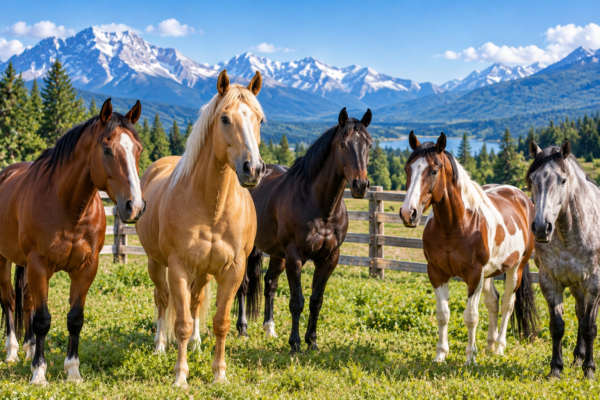
Perhaps you want a calm companion for weekend trail rides. Maybe you need a dependable ranch horse, a family riding horse, or a trained partner for Western competition.
Whatever your plans, the buying process deserves careful attention.
This guide to Horses for Sale in Canada: How to Find Your Perfect Horse explains how to choose a suitable horse, compare breeds, understand costs, evaluate sellers, and prepare for ownership.
You will also learn what to check before purchasing a horse from another province or from the United States.
Canadian buyers have many options, but not every horse will suit every rider. Therefore, the best approach is to focus on training, temperament, health, and compatibility before making a decision.
If you are also exploring horses offered by American ranches, Krugger Acre Ranch provides horse listings and an opportunity to inquire about individual animals.
The goal is simple: find a horse you can care for properly and enjoy for years to come.
Horses for Sale in Canada: How to Find Your Perfect Horse Step by Step
The best way to find a suitable horse in Canada is to define your riding goals, set a realistic budget, compare individual horses, verify the seller, and arrange an independent veterinary examination before purchasing.
Your seven-step horse-buying checklist
-
Decide how you plan to use your horse.
-
Match the horse’s training to your riding ability.
-
Set a budget for purchase and ongoing care.
-
Compare breeds, ages, and individual temperaments.
-
Verify the seller and evaluate the horse.
-
Arrange a pre-purchase veterinary examination.
-
Review the sale terms and organize transportation.
Following these steps can help you avoid common mistakes.
Start With Your Riding Goals
Before searching for horses for sale, ask yourself what you want to do with your future horse.
Do you want to ride through wooded trails in Ontario? Are you interested in working cattle in Alberta? Perhaps you want a recreational horse for a family property in British Columbia.
Each activity calls for different experience and training.
For example, a ranch horse should have relevant working skills. A trail horse should be comfortable with the types of environments it will encounter.
Meanwhile, a beginner’s horse should have suitable training and manageable behaviour.
Your goals should guide the search from the beginning.
Be Realistic About Your Riding Experience
A horse that works well with an experienced rider may be difficult for a beginner.
Some horses are sensitive and responsive. Others have more established routines and experience with a wider range of riders.
However, no horse is completely predictable.
If you are new to riding, involve a qualified instructor in the selection process. They can help assess whether a horse matches your current skills.
Popular Horse Breeds for Canadian Buyers
Canada has a diverse equestrian community. Riders enjoy everything from recreational trail riding to ranch work, dressage, jumping, and competitive Western events.
Several horse breeds are worth researching.

American Quarter Horse
Quarter Horses are versatile stock horses often associated with Western riding, ranch work, trail riding, and competition. Their wide range of disciplines makes them a popular breed to consider, but buyers should assess each horse individually.

American Paint Horse
Paint Horses are known for their distinctive coat patterns and stock-horse heritage. They can participate in recreational riding, ranch activities, and Western events. Training matters more than colour.

Canadian Horse
The Canadian Horse, also called the Cheval Canadien, is a heritage breed associated with strength, versatility, and Canadian equestrian history. Buyers interested in this breed should consider its training, conformation, and suitability for their activities.

Arabian Horse
Arabians are known for endurance and responsiveness. They can participate in endurance riding, showing, and recreational disciplines. Individual horses vary in energy and handling needs.

Appaloosa Horse
Appaloosas are recognizable for their varied coat patterns. They can suit trail riding, ranch work, and other activities when properly trained for the intended use.
Other breeds Canadian buyers may encounter include Morgans, Thoroughbreds, Tennessee Walking Horses, Friesians, Gypsy Vanners, and various Warmbloods.
Importantly, these are examples of breeds in the wider horse market, not a statement that Krugger Acre Ranch currently has every breed available.
Which Horse Breed Is Best for Your Lifestyle?
The best horse is not necessarily the most fashionable or expensive breed. It is the individual horse that fits your experience, intended use, and care arrangements.
| Your riding goal | Breeds worth considering | What matters most |
|---|---|---|
| Beginner riding | Suitable Quarter Horses, Morgans, and others | Established training and manageable behaviour |
| Family recreation | Various breeds | Compatibility with the intended riders |
| Trail riding | Quarter Horse, Morgan, Tennessee Walking Horse | Experience outdoors and calm handling |
| Ranch work | Quarter Horse, Paint Horse, Appaloosa | Practical working experience |
| Endurance riding | Arabian and suitable crosses | Conditioning and soundness |
| English competition | Thoroughbred, Warmblood | Discipline-specific training |
| Pleasure driving | Canadian Horse, Morgan, suitable driving breeds | Driving experience and appropriate temperament |
A breed can provide a starting point. However, it cannot replace an individual assessment.
Choosing a Horse for Beginners
Beginners should prioritize a horse with suitable training and a history of consistent handling.
A calm, experienced horse can help a new rider develop confidence.
However, even a quiet horse needs clear communication, routine care, and responsible supervision.
Avoid choosing a horse that requires extensive retraining unless you have experienced professional support.
Choosing a Horse for Ranch Work
Ranch horses need practical skills.
Ask whether a horse has worked cattle, crossed uneven terrain, travelled away from other horses, and handled routine ranch activities.
Also, ask how frequently it performs those tasks.
A horse described as a ranch horse may have different experience from another horse advertised using the same term.
Choosing a Horse for Trail Riding
Trail horses should be evaluated in conditions similar to those you expect to encounter.
For example, ask about bridges, water crossings, wildlife, traffic, wooded paths, and riding in groups.
A horse comfortable in an arena may still need experience in unfamiliar outdoor environments.
How Much Does a Horse Cost in Canada?
Horse prices in Canada vary considerably.
There is no single price that applies to every breed, age, or training level.
A young horse with limited riding experience may have a different asking price from a mature, well-trained trail horse.
Similarly, a competition horse with verified results may be priced differently from a horse intended for light recreational riding.
What Affects Horse Prices?
Several factors influence a horse’s value.
Breed and pedigree: Registration and documented bloodlines may influence demand, particularly for breeding and competition.
Age: Mature horses may offer established experience, while younger horses may require more training.
Training: A horse with suitable, proven skills may command a higher price.
Temperament: Compatibility with the intended rider is a major consideration.
Health and soundness: Veterinary findings can influence suitability and value.
Location: Regional demand, transport costs, and the local market can affect the total expense.
Calculate the Full Cost of Horse Ownership
The purchase price is only the beginning.
Canadian buyers should also budget for:
-
Hay, forage, and suitable feed
-
Boarding or property maintenance
-
Veterinary examinations and routine care
-
Farrier services
-
Dental care
-
Tack and riding equipment
-
Training and lessons
-
Transportation
-
Emergency expenses
-
Seasonal shelter and pasture management
For example, keeping a horse at a full-service boarding stable may involve different costs from caring for one on a private property.
In addition, winter feeding and shelter needs may increase expenses in colder regions.
Before buying, obtain current estimates from local boarding facilities, veterinarians, and farriers.
Where to Find Horses for Sale in Canada
Canadian buyers can search through established breeders, ranches, professional trainers, private sellers, and equestrian marketplaces.
Each option offers different advantages.
Buying From a Horse Breeder
A breeder may provide information about a horse’s parentage, early handling, and development.
This can be especially useful when buying a foal or young horse.
However, buyers should still verify registration documents, health information, and any training claims.
Buying From a Ranch
A ranch may offer horses with experience in trail riding, cattle work, or recreational riding.
Ask about the horse’s actual activities and the environments in which it has worked.
For buyers considering horses from outside Canada, it may also be useful to explore established American ranch listings.
Buying From a Private Seller
Private sellers may know a horse’s routine and ownership history.
However, the amount and quality of information can vary.
Therefore, always verify important claims independently.
Searching Across Canadian Provinces
Horse buyers often begin by looking within their own province.
Popular searches include:
-
Horses for sale in Ontario
-
Horses for sale in Alberta
-
Horses for sale in British Columbia
-
Horses for sale in Quebec
-
Horses for sale in Saskatchewan
-
Horses for sale in Manitoba
-
Horses for sale in Nova Scotia
-
Horses for sale in New Brunswick
Searching locally can make visits and transportation easier.
However, buyers may also consider suitable horses farther away when the horse’s training and temperament justify the additional travel and verification.
What to Look for Before Buying a Horse
A horse’s appearance may catch your attention, but a careful assessment should go much further.
Temperament and Ground Manners
Watch how the horse behaves during normal handling.
Does it lead politely? Can it stand for grooming and hoof care? How does it respond to unfamiliar people and surroundings?
Ask to see the horse caught, groomed, saddled, and handled.
Importantly, observe the horse before it has been extensively worked, when practical.
Training and Riding Experience
Ask what the horse has actually been trained to do.
For example, if a horse is advertised as suitable for beginners, ask what types of riders have handled it and under what supervision.
If it is described as a trail horse, ask about its experience outside the arena.
Specific examples are more useful than broad labels.
Age and Physical Condition
Young horses may need further training and physical development.
Mature horses may offer more established experience.
Older horses can also make excellent riding companions when their health and workload are appropriate.
Therefore, consider age alongside veterinary findings and intended use.
Conformation and Movement
Conformation refers to the horse’s physical structure.
Observe its balance, legs, feet, and movement.
However, visible appearance alone cannot establish soundness.
A qualified equine veterinarian can help identify concerns that may affect your intended use.
Why a Pre-Purchase Veterinary Examination Is Important
A pre-purchase veterinary examination helps a buyer understand a horse’s health and potential limitations before completing the sale.
The examination should reflect the horse’s intended use.
For example, a horse intended for demanding competition may require different considerations from one intended for light trail riding.
The American Association of Equine Practitioners provides resources on equine health and veterinary care.
What Does a Pre-Purchase Examination Include?
Depending on the horse and the veterinarian’s recommendations, the assessment may include:
-
General physical examination
-
Heart and respiratory assessment
-
Eye examination
-
Hoof and limb evaluation
-
Movement and lameness assessment
-
Review of available medical history
-
Additional testing when appropriate
The veterinarian may recommend imaging or laboratory testing when concerns arise.
However, no examination can guarantee future health or performance.
The goal is to help you understand the risks before making a decision.
Should You Use Your Own Veterinarian?
Ideally, choose an independent equine veterinarian who represents your interests as the buyer.
If you are purchasing from another province or country, you may need to arrange an examination through a qualified veterinarian near the horse.
Discuss your intended use and concerns before the appointment.
How to Buy a Horse Online Safely in Canada
Online horse shopping gives buyers access to more listings. However, it also requires careful verification.
Verify the Seller and the Horse
Confirm the seller’s identity and their authority to sell the horse.
Ask for identifying details, ownership information, and registration documents when applicable.
If possible, visit the horse in person.
If travelling is difficult, consider hiring an independent local professional to inspect the horse and observe its handling.
Request Recent Photographs and Videos
Ask for current photographs showing the horse clearly.
For a riding horse, useful videos may show:
-
Catching and leading
-
Grooming and saddling
-
Mounting
-
Walking, trotting, and cantering
-
Stopping and backing
-
Riding in conditions relevant to your goals
Continuous footage can be more informative than short edited clips.
However, video cannot replace a professional assessment.
Review Payment and Sale Conditions
Before paying, request a written purchase agreement.
It should identify the horse, purchase price, payment terms, responsibilities, and any conditions attached to the sale.
Also, clarify when ownership and risk transfer.
Avoid sellers who pressure you to pay immediately or refuse reasonable verification requests.
Buying a Horse From the USA and Bringing It to Canada
Canadian buyers sometimes find a suitable horse in the United States.
This can expand the range of breeds, training backgrounds, and riding disciplines available.
However, importing a horse involves additional planning.
Understand Canadian Import Requirements
The Canadian Food Inspection Agency, or CFIA, oversees animal import requirements.
Requirements can depend on the horse’s origin, purpose of entry, age, health status, and other factors.
Before purchasing, consult the Canadian Food Inspection Agency’s animal import resources and confirm the applicable conditions.
You may need official veterinary documentation, disease testing, and other import paperwork.
Import rules can change, so verify them before arranging travel.
Confirm US Export Requirements
The United States also has procedures for exporting live animals.
The USDA APHIS live animal export resources provide information about veterinary export certification and related requirements.
Ask the relevant authorities and your veterinarian which documents apply to the specific horse and route.
Budget for Cross-Border Transportation
International horse transportation may involve:
-
Professional horse hauling
-
Veterinary examinations and testing
-
Export documentation
-
Import-related fees
-
Customs brokerage, when needed
-
Insurance, if purchased
-
Applicable taxes
-
Additional care during transit
Costs depend on the route and individual arrangements.
Therefore, request written quotations before finalizing the purchase.
Explore Krugger Acre Ranch From Canada
Krugger Acre Ranch is a Texas-based horse seller with online listings.
Canadian buyers interested in a particular horse can visit Krugger Acre Ranch and contact the ranch to ask about the horse’s current availability, training, and purchase terms.
If you are purchasing from Canada, explain your destination and ask whether cross-border sales or transportation coordination are available for that specific transaction.
Do not assume that import documentation, delivery, or customs clearance is included in the purchase price.
Preparing Your Horse for Life in Canada
Canada’s climate varies greatly by region.
A horse moving to Alberta may face different conditions from one arriving in coastal British Columbia or southern Ontario.
Therefore, plan for your local environment.
Winter Care and Shelter
Horses need suitable shelter, water, forage, and management during cold weather.
Their needs depend on body condition, coat, age, health, and environmental conditions.
Wind, wet weather, and changing temperatures can increase care requirements.
The University of Minnesota Extension’s horse care resources provide useful educational information about equine management.
Feeding and Hydration
Horses need appropriate forage and reliable access to clean water.
Cold weather can make water management more difficult.
Also, a horse arriving from a different feeding program may need a gradual diet transition.
Consult your veterinarian or equine nutrition professional before making major changes.
Introduce the Horse Gradually
A newly purchased horse needs time to adjust.
Prepare a safe enclosure and a quiet environment.
If you already have horses, discuss appropriate disease-prevention measures and introductions with your veterinarian.
Avoid expecting demanding work immediately after a long journey.
Questions to Ask Before Buying a Horse in Canada
A careful buyer should ask clear questions before committing.
Use this checklist when speaking with a breeder, ranch, or private seller.
-
What is the horse’s age, breed, and height?
-
How long has the seller owned it?
-
What riding and training experience does it have?
-
What level of rider is suitable for this horse?
-
Does it have any known behavioural concerns?
-
Has it experienced injuries or significant illnesses?
-
What veterinary and farrier care has it received?
-
Are registration and ownership documents available?
-
Can I arrange an independent veterinary examination?
-
Can I observe the horse being ridden?
-
What is included in the asking price?
-
What are the purchase, payment, and transportation terms?
Clear answers help you compare horses fairly.
However, important claims should still be verified.
Common Mistakes Canadian Horse Buyers Should Avoid
Even experienced riders can make mistakes when buying a horse.
Choosing Colour Over Temperament
A beautiful coat does not guarantee a suitable riding partner.
Focus on the horse’s behaviour, training, and compatibility.
Buying Without a Veterinary Examination
Skipping a pre-purchase examination may leave important health concerns undiscovered.
Arrange an independent assessment before completing the sale.
Ignoring Transportation Costs
A horse purchased far from home may involve significant transport and documentation expenses.
Get estimates before deciding whether the purchase fits your budget.
Overestimating Riding Ability
A horse that needs advanced handling may not suit a beginner.
Be realistic about your current experience.
Rushing the Purchase
Avoid pressure to make immediate payments.
Take time to verify the horse, review the agreement, and obtain professional advice.
How to Compare Two Horses Before Buying
Sometimes buyers find several promising horses.
When this happens, compare them using the same criteria.
| Consideration | Horse A | Horse B |
|---|---|---|
| Matches your riding experience | Evaluate | Evaluate |
| Suitable for intended discipline | Evaluate | Evaluate |
| Temperament demonstrated | Evaluate | Evaluate |
| Training history verified | Evaluate | Evaluate |
| Veterinary findings reviewed | Evaluate | Evaluate |
| Ownership documents checked | Evaluate | Evaluate |
| Purchase and delivery costs understood | Evaluate | Evaluate |
The horse with the most impressive appearance may not be the best match.
Instead, prioritize the qualities that matter for your daily riding and ownership plans.
Why Work With a Horse Seller Who Communicates Clearly?
Buying a horse requires trust, but trust should be supported by information.
A responsible buying process allows prospective owners to ask questions, review available records, and understand the conditions of the sale.
Good communication also helps buyers assess whether a horse is suitable.
For example, a seller should be able to explain the horse’s advertised training and identify which information is documented.
If certain details are unknown, clear disclosure is better than an unsupported promise.
When evaluating a seller, consider the quality and consistency of the information provided.
Find Your Next Horse With Krugger Acre Ranch
Finding a suitable horse may take time, but careful research is worthwhile.
Whether you want a dependable trail companion, a ranch horse, or a recreational riding partner, begin with your goals and experience.
Then compare individual horses based on temperament, training, health, and suitability.
Canadian buyers interested in American horse listings can explore the horses advertised at Krugger Acre Ranch.
You can also learn more about the ranch through its About Us page and review its published services.
When contacting the ranch, explain what kind of horse you want and where you are located.
Ask about current availability, individual horse details, purchase conditions, and whether transportation arrangements to Canada can be considered.
Find a Horse That Fits Your Life
The right horse should fit more than your budget.
It should match your experience, riding goals, available facilities, and ability to provide long-term care.
Start by comparing suitable breeds and individual horses. Next, evaluate temperament, training, and health.
Then verify the seller, arrange a veterinary examination, and review the purchase and transportation terms.
If you are buying from outside Canada, confirm the applicable import requirements before committing.
A thoughtful purchase can create the foundation for a rewarding partnership.
Ready to explore your options? Visit Krugger Acre Ranch to review horse listings and contact the ranch about an animal that interests you. Share your preferred breed, riding experience, intended use, and Canadian destination so you can discuss whether a suitable horse and purchasing arrangement are available.
Frequently Asked Questions
1. Where can I find horses for sale in Canada?
You can find horses through Canadian breeders, ranches, private owners, professional trainers, and equestrian marketplaces. You can also consider horses advertised by American sellers, provided you verify the horse and meet all applicable Canadian import requirements.
2. What is the best horse breed for beginners in Canada?
American Quarter Horses, Morgans, and other breeds may have individuals suitable for beginners. However, training, temperament, and experience matter more than breed alone. A qualified instructor can help you choose an appropriate horse.
3. How much does a horse cost in Canada?
Horse prices vary according to breed, age, training, health, pedigree, and market conditions. Buyers should also budget for boarding, feed, veterinary care, farrier services, transportation, and emergency expenses.
4. Can I buy a horse in the USA and bring it to Canada?
Yes, eligible horses can be imported from the United States into Canada when applicable import and export requirements are met. Confirm current CFIA and USDA APHIS requirements before purchasing or arranging transportation.
5. Is it safe to buy a horse online?
Buying online can be practical when you verify the seller, review current photographs and videos, arrange an independent veterinary examination, and understand the purchase agreement. Avoid making payments before completing reasonable checks.
6. Should I buy a mare or a gelding?
Both mares and geldings can make excellent riding partners. Choose according to the individual horse’s temperament, training, health, and compatibility with your riding goals rather than sex alone.
7. Do I need a veterinary examination before buying a horse?
An independent pre-purchase veterinary examination is strongly recommended. It can identify existing health concerns and help you assess whether the horse is suitable for your intended use, although it cannot guarantee future health.
8. Can Krugger Acre Ranch sell horses to Canadian buyers?
Canadian buyers can contact Krugger Acre Ranch to inquire about advertised horses and discuss purchasing options. Cross-border sales, import eligibility, transport availability, documentation, and costs should be confirmed with the ranch and relevant authorities before making a commitment.
